The Cosmetic Benefits of Dental Crowns Southgate CA

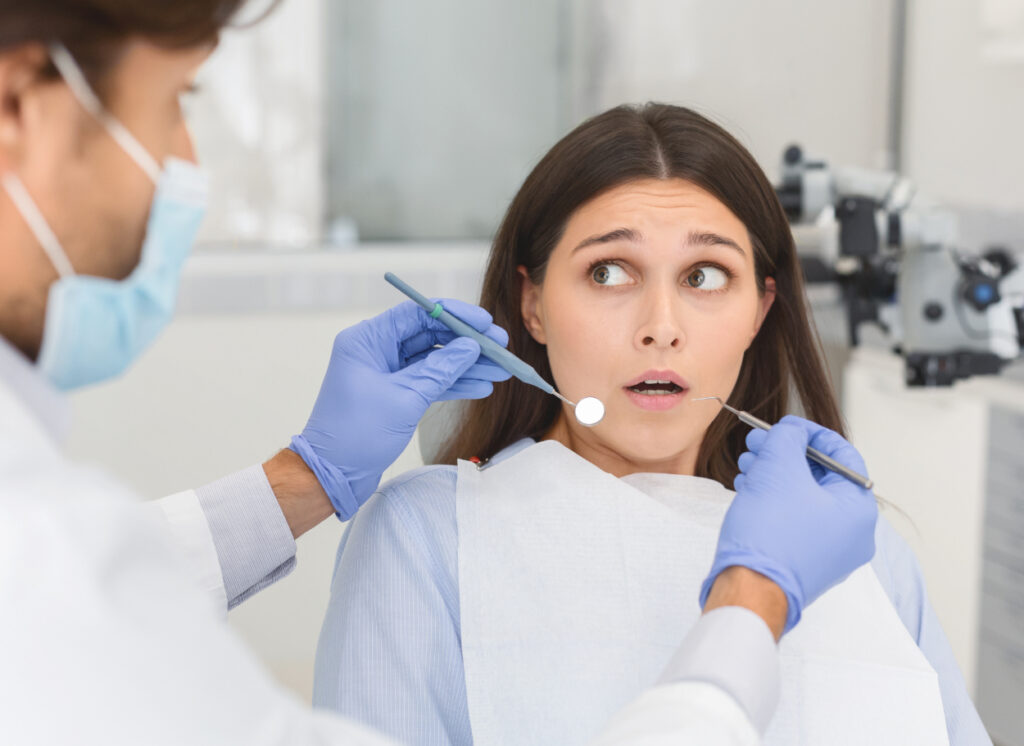
A healthy smile does more than help you chew comfortably. It shapes first impressions, affects speech, and changes the way people carry themselves in a room. In a cosmetic dental setting, few restorations offer the same mix of aesthetics and function as a well-made crown. When patients ask about improving damaged or unattractive teeth without making their smile look artificial, crowns often become part of the conversation very quickly.
That is especially true when the concern is not just decay or fracture, but appearance. A front tooth with an old dark filling, a molar with visible cracks, or a worn tooth that looks shorter than the rest can draw the eye in a way that makes people self-conscious. The right crown can restore shape, color, symmetry, and proportion in a way that feels subtle and believable.
For patients researching Dental Crowns Southgate CA, the cosmetic side of treatment deserves close attention. Crowns are often described as protective caps, which is accurate, but that definition is incomplete. In everyday practice, their cosmetic value is often just as important as their structural role.
Why crowns matter for appearance, not just repair
A crown covers the visible portion of a tooth above the gumline. That sounds simple, yet the visual impact can be significant. If a tooth is badly stained, misshapen, chipped, or heavily restored, a crown creates an opportunity to redesign its outward appearance almost entirely.
This is different from a small filling or bonding repair. A filling addresses a limited area. Bonding can improve shape and color to a point, but it has constraints, especially on teeth that are already weak or heavily worn. A crown allows the dentist and lab to rethink the whole visible surface of the tooth, including the contour from the gumline Dental Crowns Southgate CA Simple Dental South Gate to the biting edge.
That full coverage makes crowns particularly useful for teeth that have multiple cosmetic issues at once. A patient may come in worried about discoloration, but the real picture includes uneven edges, a flattened bite, and an old filling that has turned opaque. In those cases, a crown can solve several aesthetic problems in one restoration.
There is also a psychological factor that should not be overlooked. People are often more aware of one compromised tooth than anyone around them. They notice the shadow near the gumline, the chip that catches the light, or the way that tooth looks slightly turned compared with the others. When that tooth is improved, the whole smile can feel more balanced, even if only one or two teeth were treated.
The cosmetic concerns crowns can improve
A crown is not the answer to every smile issue, but it can be remarkably effective in the right situation. In practice, the cosmetic benefits usually show up in several specific areas.
Color correction for stubborn discoloration
Some stains live deep within tooth structure and do not respond well to whitening. This is common after trauma, root canal treatment, or years of large restorations. A tooth may look gray, yellow-brown, or simply dull compared with neighboring teeth. Whitening the rest of the smile can actually make that one dark tooth stand out even more.
A crown can mask that discoloration completely when planned carefully. The key is shade selection and material choice. A dentist is not just choosing a generic white, but matching brightness, translucency, and surface texture to nearby teeth. Natural teeth are not flat white. They reflect light in layers, with small variations from edge to edge. Good crown work respects that.
Patients are often surprised by how much more natural a crown looks when those details are considered. It is the difference between a tooth that blends in and one that looks obviously restored.
Restoring shape and proportion
Teeth can wear down over time. Grinding, clenching, acid erosion, and age can shorten them or leave them looking flattened. A chipped or broken tooth can also upset the balance of the smile. Sometimes the tooth itself is healthy enough to save, but its shape no longer works aesthetically.
Crowns can restore proper length, width, and contour. This matters more than many patients realize. A tooth that is a millimeter too short can make the smile line look uneven. A tooth that is too bulky can distort the way light hits the front teeth. Slight refinements in contour can make the smile look softer, more youthful, and more symmetrical.
On front teeth, these refinements demand judgment. The best cosmetic crowns do not all look identical. Central incisors should not be carbon copies of one another with no personality. Natural teeth have subtle asymmetries and texture. Skilled cosmetic planning aims for harmony, not perfection in the artificial sense.
Covering damaged or heavily filled teeth
Old dental work can age poorly. Large silver fillings may leave tooth structure darkened or undermined. White fillings can discolor, chip, or develop visible margins over time. A tooth with multiple repairs often looks patchy, even if it is not causing pain.
A crown creates visual unity. Instead of seeing a tooth made of half enamel and half filling, the eye sees one cohesive surface. This can be a major upgrade for premolars and molars that show when a patient laughs or speaks. It is also useful for front teeth that have had repeated bonding and no longer look consistent in color or gloss.
Improving alignment in select cases
Crowns are not a substitute for orthodontics in every case, and a responsible dentist should say that clearly. Still, there are situations where a crown can improve the apparent alignment of a tooth. If a tooth is slightly rotated, undersized, or unevenly positioned relative to its neighbors, crown contours can create a more orderly appearance.
The important phrase here is "in select cases." If crowding is severe or the bite is unstable, moving teeth is usually the better long-term path. But for isolated shape discrepancies, crown design can make a smile look straighter without months of orthodontic treatment.
What makes a crown look natural
Patients often worry that crowns will look thick, opaque, or fake. That fear is understandable, especially if they have seen older dental work with chalky color or dark metal edges. Modern cosmetic crowns can be very lifelike, but appearance depends on planning, materials, and technical skill.
Material choice plays a major role. All-ceramic and porcelain-based crowns are popular for visible teeth because they can mimic enamel more convincingly than older metal-backed options. Zirconia has become common as well, particularly when strength is important. Yet no material is universally best. A back molar under heavy chewing forces has different demands than a front tooth in the smile zone.
The preparation of the tooth matters too. If a crown is overcontoured because the tooth was not shaped properly, it can look bulky near the gums. If the margin is placed poorly, the restoration may show a visible transition line. If the bite is not adjusted with care, the patient may become aware of the crown every time they close.
Then there is the artistic side, which is hard to overstate. A good cosmetic crown is not just manufactured, it is characterized. Surface luster, tiny ridges, translucency at the edge, and the way the crown reflects light all contribute to realism. In difficult aesthetic cases, dentists often take photos, evaluate the patient in different lighting, and communicate closely with the lab. That is the level of attention that tends to produce work people do not notice because it simply looks like a natural tooth.
Crowns and smile confidence
There is a practical kind of confidence that comes from not worrying about your teeth. Patients do not always describe it in dramatic terms. They say they smile in photos again. They stop covering their mouth when they laugh. They no longer angle their face away when speaking. Those changes are quiet, but meaningful.
One patient I remember had a front tooth that had darkened years after an injury. It was not painful, and from a distance many people might not have noticed. She noticed every day. She had learned to smile with her lips closed. After crown treatment, what stood out most was not the tooth itself, but the way her expression changed. Her whole face looked more relaxed. That is the cosmetic benefit people often underestimate. Better dental aesthetics can reduce self-monitoring, and that frees people up socially.
The same applies to worn teeth. Patients with flattened front edges often say they feel their smile looks older or tired. Rebuilding those contours with crowns can subtly restore a younger appearance, not by making the smile unrealistically white, but by returning the dimensions and light reflection of healthier enamel.
When crowns are a better cosmetic choice than veneers or bonding
Patients comparing options often ask whether they should choose veneers, bonding, or crowns. There is no universal answer, because each treatment fits a different clinical picture.
Bonding is conservative and cost-effective in many small repairs. It can be excellent for minor chips, gaps, or shape changes. Its limitations show up when a tooth has extensive damage, large old fillings, or heavy bite forces. Bonding may stain, wear, or chip more readily over time.
Veneers are a strong cosmetic choice when the front surface of the tooth needs enhancement and the underlying tooth is otherwise healthy. They are less ideal when the tooth has lost substantial structure, has deep cracks, or already contains large restorations.
Crowns usually become the better option when aesthetics and durability need to be addressed together. If the tooth is weak, broken, root canal treated, heavily restored, or significantly worn, a crown often provides the more predictable cosmetic outcome because it also reinforces the tooth comprehensively.
That said, overtreatment is a real concern. Not every stained or misshapen tooth needs a crown. Ethical cosmetic dentistry means choosing the least invasive treatment that can reliably meet the goal. Good dentists spend time on that distinction.
Cosmetic gains in the front of the mouth versus the back
The phrase "cosmetic dentistry" usually makes people think of front teeth, but back teeth matter too. Premolars are often visible during speech and smiling, and even molars can show in broad laughter. A fractured or darkened back tooth can pull attention more than patients expect.
For front teeth, the cosmetic standard is understandably high. Even small mismatches in shade or shape are easier to see. The gumline, the translucency at the edge, and the length relationship between neighboring teeth all matter. In these cases, the crown must disappear into the smile.
For back teeth, the cosmetic benefit is often about replacing a tooth that looks broken, metallic, or dark with something cleaner and more natural. The restoration may not need the same level of translucency as a central incisor, but it should still look anatomically correct and blend with the surrounding dentition. A smile looks more polished when there is no obvious contrast between restored and unrestored teeth.
The value of customization in Dental Crowns Southgate CA
Local patients searching for Dental Crowns Southgate CA are usually not looking for a one-size-fits-all solution. They want care that reflects their face, smile, bite, and budget. Customization is where cosmetic outcomes are won or lost.
A younger patient with naturally bright enamel has different expectations from someone who prefers a softer, age-appropriate shade. A person with a wide smile that shows a lot of gum tissue may need especially careful margin placement. Someone who grinds at night may require a crown material selected with durability first, aesthetics second. None of that can be resolved by choosing a crown from a chart and moving on.
The consultation matters. Dentists who take cosmetic crown work seriously ask how the patient feels about tooth color, shape, and visibility. They look at old photos when possible. They examine not only the tooth in question, but the rhythm of the whole smile. Sometimes a patient asks for a single crown and learns that whitening nearby teeth first will produce a better overall match. Sometimes the opposite is true, and the existing smile should guide the crown shade rather than chasing unnaturally white results.
That kind of judgment is especially important in communities where patients want natural improvement, not a smile that announces dental work from across the room.
What patients should discuss before committing
Expectations deserve an honest conversation. Crowns can do a great deal, but they do not behave like untouched enamel, and they are not permanent in the absolute sense. Cosmetic success depends partly on clarity at the start.
A useful consultation should cover points like these:
- Whether the goal is mainly color, shape, strength, or a mix of all three
- What crown material best fits the tooth’s location and bite demands
- How the new crown will relate to neighboring teeth in shade and contour
- Whether other treatment, such as whitening or bite protection, should happen first
- What maintenance and future replacement may realistically involve
These questions sound straightforward, but they often prevent disappointment. A crown that looks perfect at placement may still fail the patient if the bite remains destructive or if adjacent teeth later become much whiter after bleaching. Cosmetic dentistry works best when it is planned as part of a larger picture.
The trade-offs patients should understand
Every treatment has compromises. Crowns usually require more tooth reduction than bonding or some veneers. That is not a minor detail. It is why case selection matters. If a tooth can be improved conservatively and remain structurally sound, many dentists prefer that route.
There is also the issue of longevity. Crowns can last many years, often well over a decade with good care, but they are not lifetime devices. Gum levels can change. Materials can chip. Cement can fail. The tooth underneath can still develop problems. A patient should see a crown as an investment in both function and appearance, not a one-time cosmetic purchase that never needs attention again.
Color matching can be another challenge, particularly for single front crowns. Matching one tooth to natural neighbors is often harder than creating several restorations together. This is where experience counts. In some cases, a temporary crown phase or additional lab adjustments are worthwhile if aesthetics are especially demanding.
Finally, crowns improve the appearance of individual teeth, but they do not solve every smile issue. If the broader concern is gum display, jaw position, or severe crowding, the best cosmetic result may require a combination approach. The most satisfying outcomes usually come from matching the treatment to the true cause of the problem.
Caring for cosmetic crowns so they stay attractive
Crowns do not decay, but the tooth structure at the margin still can. Gum inflammation can also make even a beautiful crown look poor by causing redness, puffiness, or recession around it. Appearance and health stay linked long after the crown is placed.
Daily care is usually simple:
- Brush gently but thoroughly along the gumline twice a day
- Clean between teeth every day with floss or another recommended aid
- Wear a night guard if grinding or clenching is a concern
- Avoid using teeth to open packages or bite very hard non-food objects
- Keep up with exams and cleanings so small issues are caught early
A well-maintained crown can continue to look polished for many years. Often the first sign of trouble is not pain, but a cosmetic change, such as a margin becoming visible, the gumline receding, or the surrounding tooth surface staining. Regular follow-up gives the dentist a chance to protect both the restoration and the look of the smile.
Why cosmetic crown work should never feel rushed
The best crowns tend to come from careful planning rather than speed. That does not always mean a long or complicated process, but it does mean thoughtful execution. Shade should be chosen in appropriate lighting. Temporaries should be evaluated, especially for visible teeth. The final crown should be checked from multiple angles, not just seated quickly and sent home.
Patients can usually sense the difference between production-style dentistry and personalized aesthetic care. Cosmetic crown work should account for how the tooth looks when the patient talks, smiles broadly, and bites down naturally. Tiny refinements in edge position or contour can make a good result excellent.
That is why the cosmetic benefits of Dental Crowns Southgate CA depend so heavily on who is planning and placing them. The restoration itself is only part of the story. The judgment behind it, the communication with the lab, and the attention to facial harmony all shape the final outcome.
A crown can protect a compromised tooth, yes, but when done well it also restores ease. It removes the visual distractions that make people second-guess their smile. It can brighten a discolored tooth, rebuild worn edges, unify a patchwork of old dental work, and bring balance back to the face. Those are cosmetic benefits worth understanding, especially for patients who want results that look refined, natural, and fully their own.
Simple Dental South Gate
Address: 8617 California Ave, South Gate, CA 90280
Phone number: +13236896118
FAQ About Dental Crowns Southgate CA
How much do crowns cost per tooth?
In the United States, a single dental crown typically costs between $800 and $2,500 per tooth without insurance. The ultimate out-of-pocket price depends heavily on the crown material, the location of the tooth, and whether you have dental insurance coverage.
What is the downside of crowns on teeth?
The primary downside of a dental crown is that the procedure permanently removes natural tooth enamel to shape the tooth for the cap.
Why do dentists push for crowns?
Dentists recommend crowns because a large filling cannot provide enough strength when a tooth loses a major portion of its structure or faces heavy chewing pressure.