How Dental Crowns Southgate CA Fit Into Comprehensive Dental Care
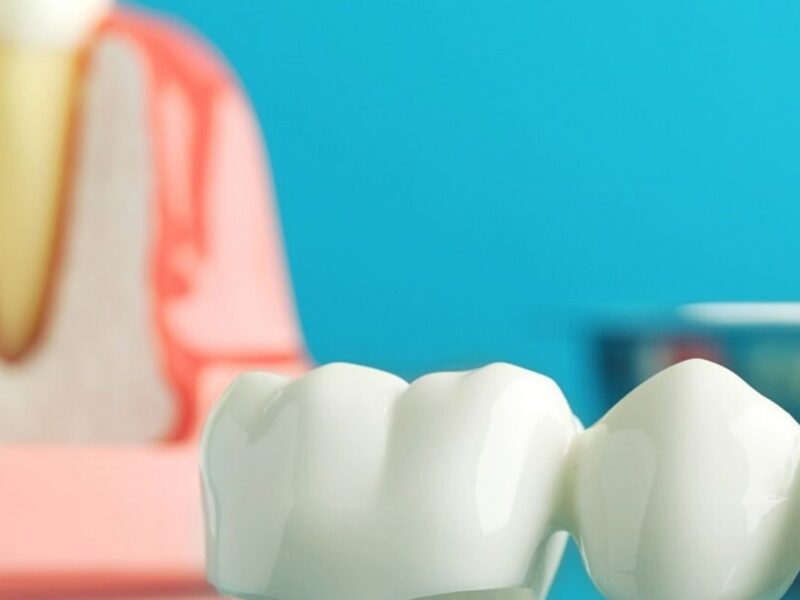

A dental crown is easy to picture and easy to underestimate. Many patients think of it as a cap that fixes one bad tooth and ends the story there. In practice, a crown often sits at the crossroads of several parts of dentistry: decay control, bite balance, gum health, cosmetic planning, root canal treatment, and long-term prevention. When a dentist recommends a crown, the goal is rarely just to cover a tooth. The goal is to protect function, preserve structure, and keep a small problem from turning into a far more expensive one.
That broader view matters when people search for Dental Crowns Southgate CA. They are usually not only looking for a restoration. They are trying to solve pain, restore chewing, improve appearance, or save a tooth that feels like it is on borrowed time. A well-made crown can do all of that, but only when it is part of a complete treatment plan rather than a standalone fix.
A crown is a restoration, not a shortcut
A crown covers the visible portion of a tooth above the gumline. It is designed to restore shape, strength, and function when a filling would no longer be enough. That sounds straightforward, but there is a judgment call behind every recommendation. Dentists have to decide whether the tooth can be predictably restored with a filling, an onlay, or a crown, and that decision affects how long the tooth is likely to last.
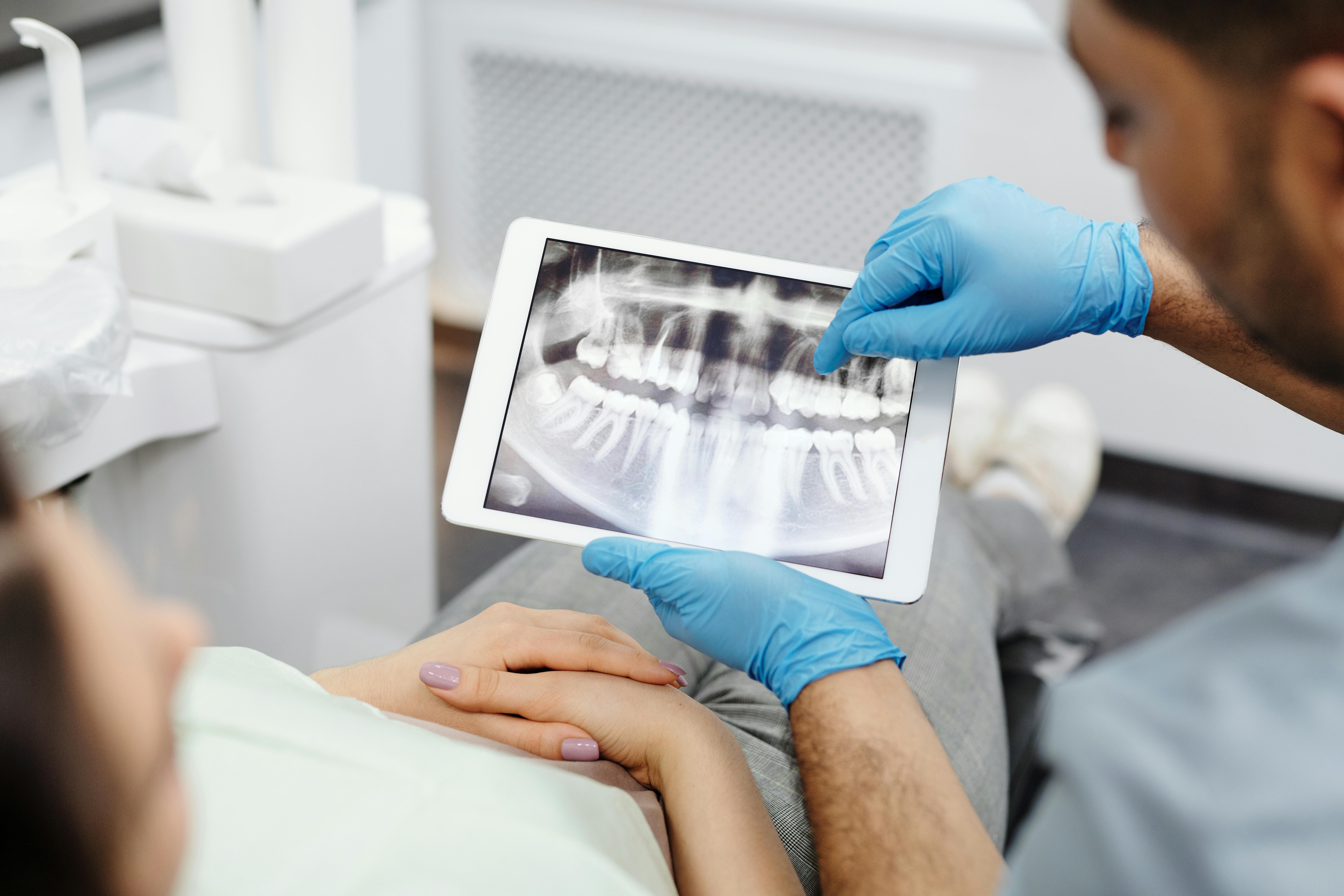
One of the most common situations is a tooth that has already been filled several times. On an X-ray, you may see a molar with an old silver filling, a newer composite repair, and a fracture line beginning near one cusp. At that point, the remaining natural tooth may be thinner and weaker than it looks in the mirror. Patients are often surprised because the tooth may not hurt much, or at all. Yet structurally it is vulnerable. The crown, in that case, is less about reacting to pain and more about preventing a split tooth, a cracked cusp, or sudden failure during normal chewing.
This is where comprehensive care changes the conversation. Good dentists do not simply ask, “Can I place a crown here?” They ask, “Why did this tooth break down in the first place, and what else needs attention so the new crown succeeds?”
The real reasons teeth end up needing crowns
Crowns are recommended for Dental Crowns Southgate CA several reasons, but the most meaningful pattern is that teeth tend to need crowns when they have lost too much strength. That loss can come from decay, trauma, wear, or previous dental work. A back tooth that has a large cavity on multiple surfaces is under constant force. Every meal tests it. A front tooth that was chipped in a sports accident may still be alive and healthy inside, but if enough enamel is gone, rebuilding it with a more durable restoration can make better sense than repeated bonding.
Root canal treatment is another common reason. After a root canal, many posterior teeth become more brittle over time because they have already lost significant structure to infection, access preparation, or prior fillings. The crown does not replace the root canal. It protects the treated tooth from fracture after the infection is gone. Skipping that protective phase is one of the more preventable mistakes in dentistry. Patients sometimes feel fine after the root canal and assume the problem is solved. Months later, the untreated tooth can crack under pressure, turning a manageable case into an extraction.
Severe wear can also lead to crowns, and this is where clinical judgment really matters. If someone grinds at night, drinks acidic beverages throughout the day, or has a misaligned bite, the visible damage on one tooth may be just the tip of the iceberg. Crowning a single worn tooth without addressing the grinding habit or bite pattern is like patching one shingle on a roof with multiple leaks. The restoration may look excellent and still fail earlier than expected.
How crowns fit into comprehensive dental care
A crown should never be planned in isolation. It sits inside a larger system made up of the tooth, the gum tissue around it, the opposing teeth, the neighboring teeth, and the way the jaws come together. When one piece is ignored, the restoration pays the price.
Consider gum health. A crown placed on a tooth with untreated gum inflammation may be technically acceptable on the day it is cemented, but bleeding gums and plaque accumulation can make it harder to keep the area clean. If the crown margin extends into a zone where the tissues are already irritated, the patient can end up with chronic soreness, food trapping, or persistent inflammation. In many cases, cleaning and stabilizing the gums first improves the final result and makes the crown easier to maintain.
Bite is another major factor. A crown that is a fraction too high can make a patient feel like they are hitting that tooth first every time they close. Sometimes the problem is obvious immediately. Other times, a subtle discrepancy shows up as jaw tension, tooth soreness, or sensitivity when chewing. The best crowns do more than fit the tooth. They fit the person’s bite pattern. That means checking contact points carefully, evaluating side-to-side movements, and thinking about whether the patient clenches or grinds.
Aesthetic planning matters too, especially for front teeth. Color, translucency, contour, and gum symmetry all affect whether a crown blends naturally. Matching one central incisor is not the same as crowning a molar. It takes a different level of communication between dentist, patient, and laboratory. There are times when the best cosmetic result involves whitening nearby teeth first or coordinating treatment on adjacent teeth so the final shade match is cleaner and more natural.
Not every damaged tooth needs a crown
One of the more nuanced parts of restorative dentistry is knowing when not to crown a tooth. There are cases where a conservative approach is better. A small to moderate cavity may be restored predictably with a direct filling. A tooth with a single damaged cusp may do well with an onlay that preserves more natural structure. For younger patients in particular, preserving enamel whenever possible is valuable.
At the same time, delaying Dental Crowns Southgate CA a needed crown can be false economy. Patients sometimes ask for “just a filling” because it costs less upfront. Sometimes that works. Sometimes the filling becomes a temporary patch on a tooth that is already structurally compromised. If it breaks, the repair may be larger next time, and the tooth may lose enough integrity that the treatment becomes more complex. In the worst cases, the tooth fractures below the gumline and can no longer be saved.
This is why honest case selection matters more than sales language. A responsible dentist explains the trade-offs. They should be able to say, in plain terms, why a filling may be adequate, why an inlay or onlay could work, or why the tooth has crossed the threshold where a crown offers the best long-term prognosis.
Materials matter, but they are not the whole story
Patients often focus on whether a crown is porcelain, zirconia, porcelain fused to metal, or gold. Material matters, but fit, design, preparation quality, and case selection matter just as much.
Zirconia crowns have become popular because they are strong and can work well in posterior areas where chewing forces are high. All-ceramic crowns often offer excellent aesthetics for visible teeth. Porcelain fused to metal restorations still have a place in some situations, though they may be less desirable cosmetically if the gumline recedes over time. Gold remains one of the most durable materials ever used in dentistry, especially for back teeth, even if fewer patients choose it for appearance reasons.
The best material for one person may be the wrong choice for another. A patient with heavy grinding, limited clearance between the teeth, and a history of breaking restorations may need a different approach than a patient restoring a single front tooth after trauma. This is another reason comprehensive care matters. The crown material should match the demands of the case, not just the trend of the moment.
What the process usually involves
For many patients, the crown process feels easier once they understand the sequence. While techniques vary by office, the general flow tends to be consistent.
- The dentist examines the tooth, takes X-rays as needed, and determines whether the tooth is healthy enough to restore.
- The tooth is prepared by removing decay, old restorative material, or weakened structure, then reshaping it to support the crown.
- Impressions or digital scans are taken so the final restoration can be designed with accurate contours and bite relationships.
- A temporary crown is often placed while the final crown is being fabricated, unless the office uses same-day technology in appropriate cases.
- The final crown is tried in, adjusted if necessary, and cemented once the fit, bite, and appearance are confirmed.
That looks simple on paper, but there are fine points that make a difference. Temporary crowns, for example, are more important than many people realize. A rough or loose temporary can irritate the gums, shift slightly, or let the tooth become sensitive. A well-made temporary acts like a placeholder for the final result. It protects the tooth, helps maintain spacing, and gives the dentist useful information about shape and bite before the permanent crown is seated.
When crowns are part of larger treatment plans
In real practice, crowns are often one chapter of a longer treatment story. A patient may come in because one tooth hurts, only to learn that the real issue includes cracked enamel, recession, several old fillings, and night grinding. Another patient may want a better smile and discover that uneven edges, discoloration, and an unstable bite need to be sorted out before cosmetic work begins.
Crowns can be integrated into many kinds of care. They are often used to restore teeth after root canals, to support bridges when replacing missing teeth, and to complete implant restorations. In full-mouth rehabilitation, they may be used selectively to rebuild worn teeth and reestablish a healthier bite. In cosmetic dentistry, they can improve form and color when conservative options will not deliver a stable result.
That integration is where skilled planning shows. If one side of the bite is collapsing from missing teeth, placing a crown on a cracked molar on the other side may help, but it may not solve the chewing imbalance that caused overloading in the first place. If gum disease is active, beautifully crafted crowns may still struggle in an unhealthy environment. If clenching is severe, the treatment plan may need a night guard after crowning to protect both natural teeth and restorations.
The Southgate factor, local care and practical expectations
People looking for Dental Crowns Southgate CA are often balancing more than clinical concerns. They are thinking about work schedules, family responsibilities, insurance limitations, and whether they can trust the office to explain things clearly. Those factors are not trivial. Dentistry happens in real life, not in textbook conditions.
In communities where patients may delay care because they are busy or trying to manage costs, crowns are frequently discussed later than ideal. A tooth that could have been restored with a smaller treatment months ago may now require a crown, buildup, or root canal. That does not mean the opportunity is gone. It means the value of timely diagnosis becomes even clearer.
A good local dental office should be able to explain urgency without pressure. There is a difference between saying, “This tooth has a large fracture and I am concerned it may break further,” and using fear to rush someone into treatment. Patients deserve transparency about what is urgent, what can be monitored briefly, and what risks come with waiting.
Common misconceptions that lead to trouble
Some of the biggest crown problems start with simple misunderstandings. Patients are not being careless. They are often making reasonable assumptions based on limited information.
A crown does not make a tooth indestructible. The underlying tooth structure can still decay, especially around the margin where the crown meets the tooth. That is why brushing, flossing, and regular cleanings still matter. Cement can wash out over time. Bite forces can change. Habits like chewing ice or opening packages with the teeth can shorten the life of even an excellent restoration.
Another misconception is that if a crowned tooth is no longer painful, all follow-up can be relaxed. Pain is not the only indicator of a problem. A crown can develop recurrent decay at the edge without dramatic symptoms early on. It can also loosen subtly, trap food, or create gum inflammation long before a patient feels a sharp toothache.
There is also confusion about lifespan. Patients often ask how long a crown lasts, and the honest answer is that it varies widely. Many crowns function well for years, often well over a decade, but there is no universal expiration date. A crown on a patient with excellent hygiene, stable bite forces, and regular maintenance may outlast one placed under heavy functional stress with inconsistent care. That is not a flaw in the dentistry. It is the reality of biology and use.
Signs a crown may be the right conversation to have
Sometimes the need is obvious, sometimes it is subtle. Certain patterns make a closer evaluation worthwhile.
- A tooth has a large filling and a piece of it has chipped or cracked.
- Chewing on one side causes a sharp twinge, especially on release of pressure.
- A root canal was completed on a back tooth, but no final full-coverage restoration was placed.
- A tooth is badly worn down, shortened, or repeatedly breaking despite repairs.
- A tooth is discolored, misshapen, or structurally compromised enough that bonding is unlikely to hold up well.
Those signs do not guarantee that a crown is necessary, but they often point toward a structural problem that deserves careful assessment.
The difference between a technically acceptable crown and a truly successful one
Dentists can place a crown that looks fine on the day of delivery and still miss the bigger goal. A truly successful crown feels comfortable, supports the gum tissue, maintains proper contact with neighboring teeth, fits the bite, and serves the patient over time without becoming a plaque trap or stress point.
Small details matter. Contact points that are too loose can let food wedge between teeth and irritate the gums. Margins that are rough or overcontoured can make hygiene harder. An under-reduced tooth preparation can force the lab to make a crown that is too bulky. Even shade selection can be more complicated than patients expect because natural teeth are not one flat color. They reflect light differently at the incisal edge, the body, and the cervical area near the gumline.
This is why communication matters so much. Dentists who listen well tend to get better crown outcomes because they hear what the patient is actually trying to solve. Sometimes the main issue is pain. Sometimes it is a front tooth that photographs dark in every family picture. Sometimes it is a back tooth that has broken twice and the patient wants a more definitive fix. The restoration should answer that real concern, not just satisfy a procedural checklist.
Caring for a crown so it actually lasts
Long-term success with crowns usually comes down to ordinary habits done consistently. The crown itself cannot decay, but the tooth underneath still can. Gum tissue around the crown still responds to plaque the same way it does around natural teeth. If someone cleans meticulously everywhere except the crowned tooth because they are nervous about flossing there, that area often becomes the weak point.
The best maintenance is usually boring, which is another way of saying effective. Thorough brushing along the gumline, daily cleaning between the teeth, regular exams, and attention to changes in bite or sensitivity go a long way. If a patient grinds, a properly fitted night guard can protect both the crown and the surrounding teeth. If the dentist recommends replacing a fractured filling on the opposing tooth or adjusting a bite interference elsewhere, that advice may be aimed at preserving the new crown as much as anything else.
Patients should also know when to call. A crown that feels high, loose, or suddenly sensitive should be evaluated sooner rather than later. Waiting can turn a minor adjustment into a bigger repair. A patient who notices floss shredding in one area may be spotting an early issue with a margin or contact point. Those are the kinds of small warning signs that save trouble when addressed promptly.
Why crowns belong in the bigger picture
The best way to think about crowns is not as isolated pieces of dental work, but as tools within a larger strategy to preserve oral health. They restore teeth that are too compromised for simpler repairs, but their success depends on diagnosis, planning, gum stability, bite management, and patient follow-through. That is the essence of comprehensive care.
For patients exploring Dental Crowns Southgate CA, the key question is not only whether a crown can be placed. It is whether the tooth, the bite, and the surrounding mouth are being evaluated carefully enough for the crown to succeed for the right reasons. When that happens, a crown does more than cover damage. It helps save function, protect comfort, and support a healthier dental future.
Simple Dental South Gate
Address: 8617 California Ave, South Gate, CA 90280
Phone number: +13236896118
FAQ About Dental Crowns Southgate CA
How much do crowns cost per tooth?
In the United States, a single dental crown typically costs between $800 and $2,500 per tooth without insurance. The ultimate out-of-pocket price depends heavily on the crown material, the location of the tooth, and whether you have dental insurance coverage.
What is the downside of crowns on teeth?
The primary downside of a dental crown is that the procedure permanently removes natural tooth enamel to shape the tooth for the cap.
Why do dentists push for crowns?
Dentists recommend crowns because a large filling cannot provide enough strength when a tooth loses a major portion of its structure or faces heavy chewing pressure.